Uncategorized

Uncategorized

PepsiCo’s CMO on how its Super Bowl strategy informs 2026 growth plans

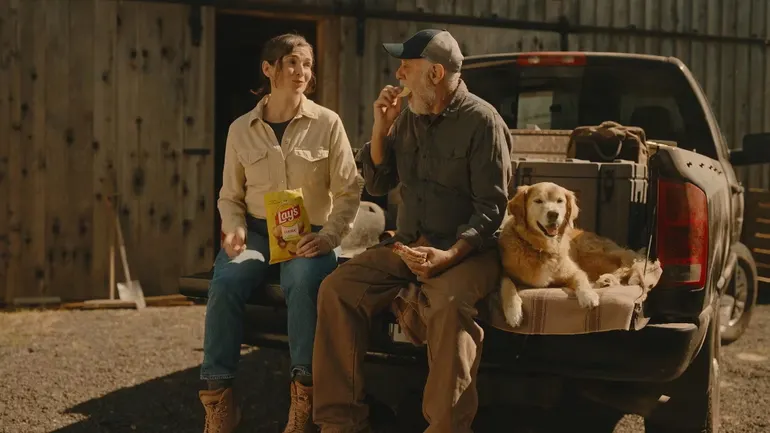
Listen to the article 7 min This audio is auto-generated. Please let us know if you have feedback. Even though Pepsi hasn’t sponsored the Super Bowl Halftime Show since 2022, parent company PepsiCo has maintained a strong presence at the big game, using ads in recent years to launch a revamped Pepsi Zero Sugar, bring back Doritos’ “Crash the Super Bowl” contest and spotlight innovations like Starry and Mountain Dew Baja Blast. That strategy continued this year, with PepsiCo running four ads across three brands — Pepsi Zero Sugar, Lay’s and Poppi — that are central to its growth plans. PepsiCo saw organic revenue rise 2.1% in Q4 2025 and 1.7% for the full year, per its latest earnings report. Pepsi Zero Sugar saw double-digit net revenue growth and market share gains in 2025, helping to drive volume and growth for the company’s namesake brand. Poppi, the prebiotic soda brand PepsiCo acquired last year, saw estimated retail sales increase more than 45% year over year in 2025, while Lay’s is one of the large global offerings that PepsiCo is restaging as part of its plans to accelerate growth. At Super Bowl 60, Pepsi Zero Sugar took the brand’s iconic Pepsi Challenge to the next level, Lay’s offered a heartwarming story and Poppi tapped into pop culture with Charli XCX. Ads from Pepsi and Lay’s notched two of the top three spots in the USA Today Ad Meter, while Poppi was the most impactful ad according to data shared by social video intelligence firm Dig. “The Super Bowl is a once-in-a-year’s moment where you can reach, engage and grab the attention of millions and millions of fans,” said PepsiCo Chief Consumer and Marketing Officer Jane Wakely. “[It’s] that rare occasion where everyone experiences the same thing, so you get lots of talk value.” The Super Bowl is a major example of how PepsiCo attempts to engage and convert consumers across five dimensions: screen, scroll, search, shop and sense, with “sense” representing experience. While Super Bowl ad campaigns represent screen and scroll, the marketer also delivered sensory experiences around the game without showing up on TV. “What you didn’t see in a Super Bowl spot this year was Tostitos or Doritos, but we were absolutely there at the Super Bowl, and we’re creating experiences that highlight strategically where we want to take the brands,” Wakely said. At the Super Bowl, the marketer used a Doritos Loaded Food Truck and Tostitos Cantina activation to move beyond ads. Plus, it owns — but doesn’t pay for — one of the Super Bowl’s most valuable moments: the dumping of Gatorade on the winning coach.  “It recognizes the sweat, the hard work, the authentic performance that team has put in, and our brand is right there,” Wakely said of the big game tradition. “That is an experiential moment for the brand to show up in a way that is authentic to the brand. It’s highly distinctive, and no other brand could do that.” Pepsi’s challenge With all of its Super Bowl spots, PepsiCo looks to draw on a brand’s past, put forward an authentic story and create distinctive memory structures for consumers. The big game campaign for Pepsi Zero Sugar, which also called on consumers to reappraise the brand, did all three things. The brand’s ad, “The Choice,” reimagined the Pepsi Challenge — a part of the brand’s marketing for more than 50 years — by using an animal, the polar bear, that has become synonymous with the Christmas ads of its chief rival, Coke.   “There was a lot of industry debate about whether we were advertising our competitor by using a memory structure that is associated with that brand,” Wakely said. “We were very careful to think through how to make that a call to a very clear Pepsi commercial.” The marketer in 2025 brought back the Pepsi Challenge with a nationwide taste-test tour focused on Zero Sugar, a brand that Wakely describes as the “future of the category.” Pepsi Zero Sugar saw over 30% sales growth in 2025 and significantly outpaced the broader zero‑sugar cola category, per PepsiCo data. Similarly, Pepsi has iterated on “Food Deserves Pepsi” and “Pepsi Crashers” platforms that look to drive away-from-home sales. PepsiCo’s away-from-home business delivered mid-single-digit net revenue growth in both Q4 2025 and the full year, per an earnings report. “Our creative teams and our agency partners really help us create some incredibly attention-grabbing creative, but the strategy goes way beyond that,” Wakely said.  Resetting Lay’s Lay’s expanded on an existing big game strategy for its latest Super Bowl campaign. The new effort built on a well-received Super Bowl 59 ad, “The Little Farmer,” which delivered a simple, heartwarming story about a real farmer. This year’s effort looked to tap into consumer interest in food while working to address several consumer insights. For instance, more than 40% of U.S. consumers didn’t know Lay’s chips are made from real potatoes, despite the brand working with 55 family farms in the U.S. to source its ingredients, Wakely said. When bringing its marketing team closer to its farms, the brand realized it could tell an authentic story that grows its distinctiveness in the market while propelling its growth with younger consumers. The result was the touching “Last Harvest” spot that centered on a farmer’s retirement. “Great creative starts with great strategy that goes beyond your advertising campaign, but instills into your whole brand transformation,” Wakely said. Building on the way that the Pepsi Zero Sugar campaign called on consumers to try the brand, Lay’s delivered an even stronger call to action in its second Super Bowl spot, which offered 100,000 bags of Lay’s that are scheduled to go from potato to consumers’ doors in 72 hours. Lay’s will continue activating around the Lay’s Challenge in the coming weeks, Wakely said. Make it Poppi Poppi’s Super Bowl ad — the brand’s third big game appearance but first under PepsiCo’s ownership — demonstrates how PepsiCo is advertising emerging brands in growing categories like functional

Uncategorized

Future leverages high visibility on ChatGPT by offering GEO as a service

Tom’s Guide and Techradar homepages on Friday 23 January 2026 Future has began offering LLM optimisation as a commercial product across its media brands. The move means Future offers tailored content campaigns for commercial partners which are aimed at boosting their visibility on generative AI-based services like ChatGPT. The move follows research that has found that Future brands – particularly Techradar – are among the most cited sources on various AI platforms. According to research by SEO software company Ahrefs, Future’s Techradar is the most cited publisher website domain globally on ChatGPT, closely followed by The Sun. The specialist websites and magazine publisher recently worked with Samsung to promote the launch of two new phone brands. And, according to Future SEO director Simon Glanville, the content campaign secured up to a 33% uplift in visibility on ChatGPT for the new Samsung products. Now the publisher has launched Future Optic, which is offering generative AI optimisation as part of the marketing mix offered across its portfolio of brands. The content in these campaigns is labelled as sponsored but is still used by ChatGPT and other LLMs to answer relevant queries. Glanville said: “We see this as a big potential revenue driver. Everyone we are speaking to wants more visibility on LLMs. “I’m not saying that search is dead, but we are seeing more people interacting with LLMs.” Glanville said that existing SEO rankings are a good predictor of website visibility on leading LLMs because platforms like ChatGPT have access to Google search data and use it to select sources. Future is seeing substantial disruption from Google AI overviews, with as many as 50% of its top website keywords triggering an AI-written summary rather than a traditional search results page. So revenue from LLM optimisation campaigns could offset falling programmatic advertising income caused by lower referral traffic. Glanville said that optimising for LLMs requires a more nuanced approach than traditional SEO, ensuring that articles answer a variety of questions which might crop in a 50-word ChatGPT prompt. So, whereas SEO might optimise a page for “best budget laptop”, an LLM-optimised article might ensure it signposts answers to a more detailed search such as “best budget laptop to take on holiday which is still good for watching movies on”. Ways to optimise an article for LLMs include: providing a clear summary at the top, bullet points and an FAQs section, Glanville said. Where SEO has always been about delivering traffic to publishers, Glanville said, ChatGPT is seen as a “visibility channel” rather than a traffic source. Future sees particular opportunities to leverage generative engine optimisation (GEO) around its core coverage strengths in consumer technology, gaming, lifestyle and fashion. Glanville said: “If it is an area where we are already a big part of the conversation and the citation mix on LLMs then we know we can get results there.” While Future does block some automated website scraping, on the whole its approach is to optimise its content to be as visible as possible on LLMs. Future signed a deal with ChatGPT parent company OpenAI in December 2024 that it said at the time would “bring our content to Open AI’s users, creating new ways for users to engage with our content”. Email pged@pressgazette.co.uk to point out mistakes, provide story tips or send in a letter for publication on our “Letters Page” blog Source link

Uncategorized

Visitor-funded ‘Mahalo Rewards’ program seeks to lower local cost of living : Maui Now

A new platform has launched on Maui, aiming to lower the cost of living on the island by redirecting tourism dollars into the local economy. Mahalo Rewards, developed by a Maui-born software engineer, eliminates marketing fees for local businesses by utilizing a visitor-funded model. Founder Sterling Ross said the platform addresses two urgent post Lahaina fire challenges: (1) the high cost of living for residents; and (2) the high cost of customer acquisition for small businesses. He said, unlike global platforms that charge vendors for visibility, Mahalo Rewards is free for businesses and residents, funded entirely by a voluntary visitor contribution. “I grew up in Lahaina,” said Ross. “Watching our local businesses struggle during COVID, and then fight to survive after the fires, I spent a lot of time reflecting on how technology could actually help. We need to overcome the message that visitors aren’t welcome. I wanted to build something that supports our economic recovery while creating a healthier, more sustainable way to embrace visitors.” How it works ARTICLE CONTINUES BELOW AD The Mahalo Rewards model operates on a “circular economy” system designed to benefit three distinct groups: Frictionless relief for kamaʻāina: To address the rising cost of living, the app is 100% free for residents. It requires no accounts, no logins, and no identity tracking. Residents simply download the app to access instant discounts and Happy Hour specials from shops and restaurants across Maui. Stewardship tools for vendors: Founders say more than 100 Maui businesses have joined the platform at launch. Vendors pay zero fees to list their business or post offers. In return, they receive enterprise-grade marketing tools, including “Smart Boost” technology that allows them to target specific days and times to smooth out slow periods. The “Mahalo Pass” for visitors: The platform is funded by a “freemium” model for tourists. Visitors can use the app to find Happy Hours and discover local vendors using advanced filters such as “Made on Maui” and “Native Hawaiian Owned.” To unlock exclusive offers, they purchase a one-time $10 “Mahalo Pass,” valid for one year. This revenue directly subsidizes the free utility for residents and businesses. “Visitors are becoming active participants in our recovery,” Ross said. “By paying a nominal, one-time fee, they directly subsidize the infrastructure of a free utility for the local families and businesses of Maui. It is a true Win-Win-Win.” The nominal fee is typically covered by the savings from redeeming a single offer on the app, according to Ross. “I wanted to take that enterprise-level experience and turn it into a tool that benefits everyone,” Ross said. “We needed a system where tourism supports the community directly, not just through tax dollars.” ARTICLE CONTINUES BELOW AD Availability The URL: https://mahalorewards.co is live. The App: https://mahalorewards.co/app is updated on the app stores. What’s in the name? Founder’s ties to Lahaina The new Mahalo Rewards program may sound familiar to some, but Ross said there’s no relation to the “Mahalo Rewards Card” from the South Park episode (Episode 11, Season 16) “Going Native” that gained somewhat of a cult following online for its satirical look at tourism and the perception of Native Hawaiian culture. Ross said it’s in direct opposition to what he has pictured for his business and his hopes for healing the local / visitor divide.   ARTICLE CONTINUES BELOW AD “I am aware of the South Park satire. That episode mocked the gentrification of empty gratitude by slapping a cultural label on something to sell it. My project was born from the exact opposite place, from total loss,” he said in an email communication. “If this were just a corporate marketing choice, the name would be tone deaf and disrespectful. The truth is, the name has nothing to do with marketing and everything to do with survival,” he told Maui Now. ARTICLE CONTINUES BELOW AD ARTICLE CONTINUES BELOW AD “Like many, the last few years stripped me of almost everything. My father’s first home in Lahaina burnt down, I wasn’t displaced, but so much of my youth was based there. That came in the wake of losing my business clients due to navigating a series of other deep personal losses. I hit a point where I was holding onto nothing, and I realized that the only thing I had left, the only thing that could pull me out of that darkness, was gratitude,” he said. “I didn’t choose the name ‘Mahalo’ to be catchy. I chose it because, for me, gratitude wasn’t a slogan, it was a lifeboat. I built this platform because I saw our community drowning in the same despair I felt, the anger, the division between locals and visitors, and the economic fear. I wanted to build a tool that proves that gratitude is the reward,” said Ross. Let’s reclaim the word from the satire. It is time we take “Mahalo” back from being a superficial “thank you” on a trash can and restore it to what it actually means: a reciprocal breath of life and gratitude that connects us. “This isn’t a ‘CtPaTown’ [City Part of Town location from South Park] rebrand, it is a kid from Maui trying to build a ladder out of the ashes,” said Ross. According to founders, Mahalo Rewards LLC is a community-focused venture dedicated to Maui’s economic recovery. Its flagship platform is developed and operated by Aloha Industries LLC, a Maui-based software company that seeks to “turn enterprise-grade technology into accessible local solutions.” Source link

Uncategorized

Crimson Desert marketing director responds to microtransaction concerns

Crimson Desert’s marketing director Will Powers has addressed concerns about monetization, stating the upcoming RPG is designed as a “premium experience” rather than a live-service title built around microtransactions. Powers made the comments during a February 16 episode of the Dropped Frames podcast on YouTube, where co-host CohhCarnage asked directly about how the game plans to handle monetization at launch. Crimson Desert dev rules out cosmetic cash shop Responding to the question, Powers was clear about the studio’s intentions for Crimson Desert. Article continues after ad “This is a premium game you buy one time,” Powers said, adding, “I don’t want to say there’s zero MTX, because there are pre-order bonuses that we have. Anything that’s announced and coming at launch is strictly cosmetic.” Segment begins at 24:38 He went on to clarify further: “I can say that, definitively, there is not a cosmetic cash shop. This is made to be a premium experience that you buy, that you enjoy the world, and not something for microtransactions.” Article continues after ad Article continues after ad “This is a premium experience, that is the transaction. Full stop.” Crimson Desert releases March 19, 2026, for consoles and PC, and is set in the same universe as developer Pearl Abyss’ MMO, Black Desert Online. The latter features a cash shop where players are able to purchase in-game items and cosmetics with real money. Dexerto went hands-on with Crimson Desert during Gamescom 2025 and came away impressed with the Witcher-esque epic. Source link

Uncategorized

How ‘Dump Him’ Became a Marketing Strategy

Forget Valentine’s Day. This year, fashion’s all in on the single lady. Take the internet savvy womenswear brand Reformation, which swapped its “official boyfriend” advert starring Pete Davidson from last year to a campaign featuring divorce attorney Laura Wasser launching Tuesday, four days after the holiday. In the campaign, Wasser, who is known for her celebrity clients, models a sweatshirt that says “dump him” — a stark reversal from last year’s “official girlfriend” sweatshirts. “This is not a pivot away from love, but a shift towards autonomy,” said Reformation chief creative and brand officer, Lauren Caris Cohan in an email. It’s also a sign of the times. In October, an article in Vogue went viral for its cheeky heading: “Is Having a Boyfriend Embarrassing Now?” Ahead of Valentine’s Day, Cosmopolitan published an article titled “It Is Just Us? Or Are the Single Cat Ladies Happier?” “Brands are going from super [romantic], heterosexual, probably a white couple, this very narrow understanding of what that looks like, and then they’re going too far the other end of like, having a boyfriend’s embarrassing,” said Beni Brown, global director of strategy for creator agency Buttermilk. “It’s more about being more autonomous.” And as Valentine’s Day came and went, a number brands joined in on the celebration of autonomy, including countless cosmetics brands that moved away from old-school seasonal tropes, such as Rabanne, which has a “Divorce Party” lipstick, while Colourpop released eyeshadows with names like “2 Good 4 U” and “Not Your Baby.” In jewellery, the trend of “divorce rings” has emerged as a way for newly single women to repurpose their engagement rings. One public example is Emily Ratajkowski, who commissioned jeweller Allison Lou to recast her two-stone engagement ring into two separate rings in 2024. Jewellery was ahead of the curve in the self-gifting trend. While traditional marketing in the category was focused on men purchasing for the women in their lives, today brands from Mejuri to Zales want to empower their customers to indulge for themselves. Alison Lou, for instance, markets the entirety of its vast product catalogue this way, from accessible phone charms to cocktail rings set with precious stones. “I kind of am always marketing for women to buy for themselves,” said Alison Chemla, the founder and designer behind Alison Lou. Source link

Uncategorized

How Fake AI Influencers Generate Real Cash

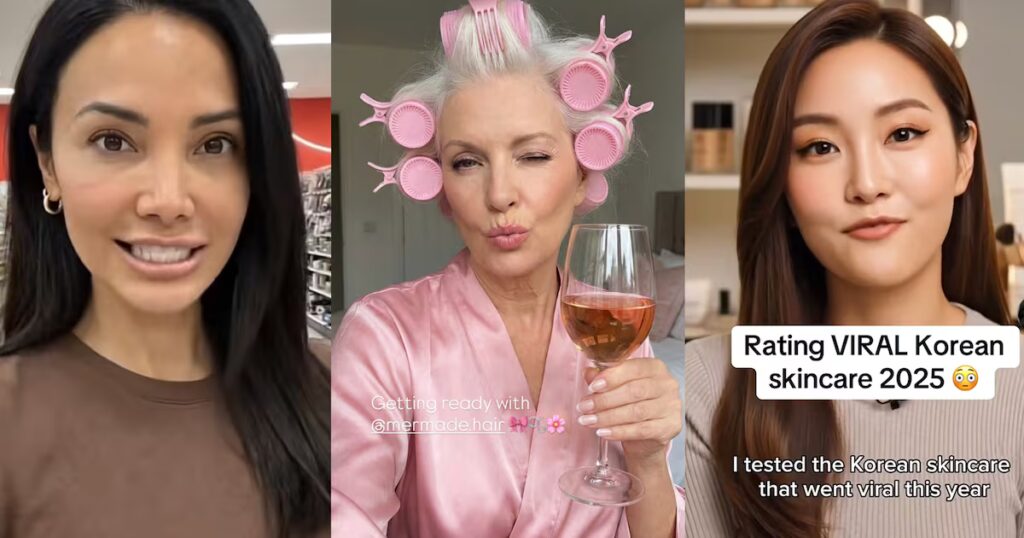
Beauty and fashion influencer Eni Popoola first learned she’d been deepfaked the way many creators do: from her audience. A YouTube ad sent by a follower featured her face and her voice, promoting an online course she had never heard of. “People were sending screenshots saying, ‘Hey, there’s this video of you, and we obviously know it’s not you, because this is not something that you would talk about,’” Popoola said. She’s far from alone, as the experience of finding one’s AI doppelganger — promoting unknown supplements, self-help content or beauty products — is becoming increasingly commonplace in the creator economy. The phenomenon is just part of a wider wave of virtual characters appearing to shill affiliate links from TikTok Shop and Amazon for brands like Cerave or Tarte. “We’re at the point now where you can generate something that’s essentially undetectable,” said Kyle Dulay, founder of influencer marketing platform Collabstr. Most brands remain wary about the prospect of creating content using artificial influencers. A recent Collabstr study of 40,000 advertisers and 100,000 creators on its platform found that 86 percent of respondents did not want to work with virtual influencers, a figure up 30 percent from 2024. But the ubiquity of affiliate linking has incentivised enterprising individuals and companies to head to platforms like Sora, Nano Banana or Kling to generate fake influencers. TikTok, Instagram and YouTube have been inundated with people charging for paid “courses” on how to create the most realistic-looking influencers with the right lighting and skin texture, promising thousands of dollars a month in earnings. Many of these tutorials include tips on how to create AI-generated posts that slip past platforms’ required disclosure rules, showing that the extent of how many are succeeding is difficult to measure. Wonderskin, a top-selling brand on TikTok known for its viral blue peel-off lip stain, has detected TikTok Shop-linked posts made with AI, but none of them show characters actually applying the product. “The technology hasn’t been good enough to create realistic demonstrations or product applications,” said Wonderskin chief executive Michael Malinsky, who is skeptical that AI influencer content can make as much money as promised. “If they were making so many thousands of dollars generating affiliate commissions, why are they selling courses about how to generate affiliate commissions?” But brands are prepared for that to change as technology improves. Dieux founder Charlotte Palermino posted on Instagram that she discovered many AI influencers listed in an affiliate report, and shared an account’s AI-generated TikTok video of a Dieux product, calling for tighter regulation of AI content. “If TikTok can’t fix this, real creators will not be creating as much anymore. I can’t compete with somebody who doesn’t sleep and just posts videos nonstop,” said Palermino. Artificial Expertise AI likenesses have popped up for social media personalities of all follower counts, from reality stars to microinfluencers. Medical professionals like dermatologists and plastic surgeons have become especially frequent targets, in part because of the trust audiences place in them. Beverly Hills plastic surgeon Dr. Andrew Cohen first learned he’d been impersonated after a friend sent him an Instagram video appearing to show Cohen promoting a supplement. “I clicked the link and thought, ‘No, that’s not me,’” Cohen said. “Also, I’m way better looking.” Others who have come across deepfakes include plastic surgeon Dr. Daniel Barrett, who was impersonated in an AI-generated post claiming to be a dentist, as well as dermfluencers Dr. Michelle Henry, Dr. Brooke Jeffy and Dr. Mamina Turegano. Doctors are fighting back by posting warnings, such as Turegano, who created a video calling out an AI deepfake video of her promoting a purported wart and skin tag removal cream. Dermatologist Mamina Turegano reacts to an AI deepfake using her likeness to sell a skin cream. (TikTok) Reporting to platforms is influencers’ fastest recourse in these situations, as impersonations and lack of disclosure of AI content are banned by Meta, YouTube and TikTok policies. But finding the culprits is difficult. Popoola succeeded in reporting the deepfake of herself to YouTube and seeing it removed, but she has not been able to identify who was behind it. Influencers are worried that these incidents harm their credibility. “Let’s say someone buys something with my recommendation that’s AI, and then they get hurt,” said Cohen. “Now they’re going to sue me for the fact they got sick from this medication … and I have to prove it wasn’t me.” His team has tried to report the video to Meta, but it remains available, while the culprit has been difficult to find. Beyond doctors, other types of fake AI experts are being used to bring negative reviews of brands and promote less well-known competitors. The US brand Grande Cosmetics has come across AI-generated content giving its products poor reviews while promoting rival brands. In one TikTok video with more than 400,000 views, a clearly artificial “lash tech” claims its lash serum caused eye irritation while recommending a competitor’s product. Two accounts featuring dubious creators — “Glowwithmia” and “Skincarewithaimee” — give lacklustre reviews to skincare brands at Sephora and Target before praising products from a brand called Jiyu. (Jiyu did not respond to questions on who created the accounts.) “I’m seeing a lot of brand-equity-destructive behavior,” said Wojtek Kokoszka, chief executive of influencer marketing platform Mention Me. “And some of it may very well be done by competitors.” Mainstream Potential It’s not just unknown or small brands being sold by AI influencers. An AI ad for L’Oréal-owned Cerave on TikTok directs to a listing on its official Amazon shop, while products from mainstream brands can be found in AI accounts’ TikTok Shop showcases. An account called “CowboyMom91” featuring a blonde woman filming in her kitchen contains videos disclosed as AI-generated with watermarks from the AI platform Sora, along with TikTok Shop links to brands including Kitsch, Tarte and Color Wow. An ad on TikTok featuring an AI-generated influencer linking to buy a Cerave product on Amazon. (TikTok) These videos could proliferate as venture

Uncategorized

Kroger, CVS put digital screens for ads on end caps

The retail media revolution is coming for one of the most recognizable shelf placements in any store. Retailers such as Kroger and CVS Pharmacy are beginning to install digital screens on end caps as they expand their in-store advertising networks. The screens may show videos about the items below it on the shelf or about related products in the category. This marks the beginning of a new era for the end cap, one in which digital ad campaigns merge with physical merchandising. The end cap is “the grand prize of in-store retail media,” said retail media analyst Andrew Lipsman of Media, Ads + Commerce. “It’s probably the most influential point in the store.” Lipsman said he sees the end cap as the connection point between customers walking the stores and picking items up off the shelf. “It creates a center of gravity that pulls you in; it encompasses the best aspects of branding, because it’s a big activation, it catches the eye,” Lipsman said. “It also helps drive conversion. It does everything at once; it’s really valuable.” CVS now has digital end caps in more than 600 stores in high-traffic aisles — about three per store — according to Parbinder Dhariwal, vp and gm at CVS Media Exchange, CVS Pharmacy’s retail media network. Dhariwal said, according to CVS’ research, 70% of its customers have said they find the screens useful. “We deploy digital screens on end caps because they measurably improve the shoppingexperience and can help drive results for brands at the exact moment decisions are made,” Dhariwal said in an email. “What appears on the screen reflects common shopper mindsets and the in-store moment, balancing brand storytelling with useful, timely messaging such as seasonal promotions and key sales events.” Dhariwal said the company’s goal is to make the content feel informational or educational, rather than promotional. In addition to product advertising, they may show information about seasonal promotions or sales events. “This format allows us to think more personally about the shopper’s journey and tailor messaging to the moment, something traditional end caps simply can’t do,” Dhariwal said. “Compared to static signage, digital screens are more flexible, more informative, and better at guiding discovery and decision-making.” Kroger, in partnership with Barrows Connected Store, is also bringing digital screens to many of its end caps. The company declined to share the number of screens or stores. Kyley Rouse, lead for in-store media strategy and activation at Kroger Precision Marketing, said the company is currently prioritizing grocery aisles and health and beauty for end-cap screens. “We know that customers shop [health and beauty] very differently than core grocery,” Rouse said in an interview. “That’s really our opportunity to inspire more dwell time for that category and to capture customer attention with really stunning animation in stores that’s eye-catching for a customer.” Rouse said end caps have seen the most brand interest of any digital screen placement in the stores because of how the content sits near the products themselves. The screens make it possible to quickly switch out flavors or show recipes and other content alongside the products. Kroger’s screens also have the ability with sensors to measure impressions and dwell time. She said, ideally, the end-cap products will match what’s on the screen, but they could also be products in the same category. “We want to make it as easy as possible for customers on their journey to find the right products and to be inspired,” Rouse said. “It just makes it foolproof for a customer to see the media and then the corresponding product, so that they’re not having to run across the entire store to find what they’re looking for.” Barrows, the company working with Kroger and other grocery, drug and specialty retailers, has installed more than 10,000 digital screens, including both end caps and in-aisle and perimeter screens. The company also works with U.K. retailers such as Tesco, John Lewis and Waitrose. Each rollout is customized to the retailer’s store layout, category strategy and shopper flow to make sure it feels native to the store experience, James Hay, global CEO of Barrows Connected Store, said in an email. “The vast majority of shopper decisions are made in-store. By meeting shoppers at the point of consideration, brands and advertisers can improve ad impact with less dependency on ad recall due to greater relevancy and proximity to purchase,” Hay said. “Retailers like Kroger have not only significant audiences but also qualified, high-intent shoppers.” Still, Lipsman added that while end caps can be attractive for advertisers, they’re also among the most guarded spots in stores by merchants. Merchants “never want to interrupt anything having to do with the customer experience,” Lipsman said. “There’s a negotiation that has happened a certain way for a long period of time, with the most important suppliers and the ones who end up on the end cap, and so it just throws something new into the mix.” Additionally, Lipsman said not all end caps are created equal. “The one on the store perimeter isn’t as valuable as the one on the inner aisles or near the front of the store, but generally speaking, they’re highly trafficked areas and create a lot of visibility for the brand.” Hay argued that, compared to traditional physical end-cap displays, digital screens are less operationally complex to execute at scale because campaigns can easily be swapped out digitally. Additionally, he noted the screens are measured and optimized in the same way as digital ads, enabling campaigns that span the full shopper journey. “Digital end caps deliver stronger visual impact, faster creative refreshes and far greater flexibility, turning a single physical placement into a dynamic media asset,” Hay said. “Because the screens are networked, brands can activate campaigns with precise timing, location-based relevance and proof of play — without the challenges of printing, shipping, store-level compliance or teardown.” Source link

Uncategorized

Premier League eyes ‘UK£750m’ boost from centralised perimeter ad sales

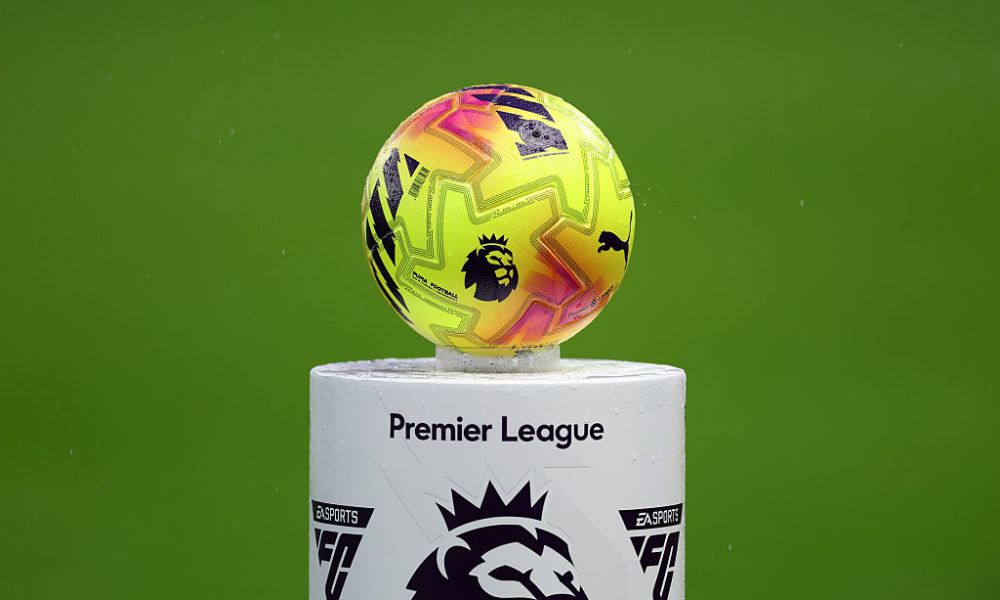
English league has seven top-tier partners and several licensing deals Concerns raised around possible conflict between individual clubs’ deals and league’s expanded commercial roster The Premier League could generate a further UK£750 million (US$1.02 billion) if it centralises perimeter advertising sales and expands its roster of commercial partners. The English top-flight soccer league is considering an overhaul of its commercial activities to replicate models in the US and is considering adding another three top-tier partners and centralising up to 60 per cent of its pitchside advertising revenue, according to Sky News. The Premier League currently has seven top-tier partners, including Barclays, Microsoft, Electronic Arts (EA) and Guinness, as well as several licensing agreements with the likes of Football Manager and Topps. The competition’s 20 teams were presented with the proposals at a meeting but there are no firm plans to initiate the revamp as of yet.  While no club executive has yet to publicly speak about the presentation, one is reported by Sky News to have raised concerns around the possibility the league’s expanded commercial roster could come into conflict with individual teams’ sponsorship arrangements. In addition to briefing clubs on a potential new sponsorship structure, the summit also featured a presentation from the Independent Football Regulator. David Kogan, the chairman of the regulator, and Richard Monks, its chief executive, both shared plans for its inaugural ‘State of the Game’ report, which will be prepared during the coming months. SportsPro says… Unlike most European soccer leagues which still have a title sponsor, the Premier League shifted to a multi-partner model a decade ago, helping to attract a greater range of global brands and increasing revenues whilst still achieving scarcity. The arrangement has also given individual clubs more freedom in partner negotiations. For example, few financial institutions wanted to partner with teams when Barclays was sponsorship the whole competition.  A shift towards centralising pitchside sales would follow the example of the Uefa Champions League and increase revenues. However some clubs, particularly those with greater global followings, might object.  Ultimately, with the league’s media rights deals locked in for the long term, and with many clubs seeking new sources of income amid a ban on front-of-shirt betting sponsorship at the end of this season, handing over more inventory might be seen as a price worth paying.  Sponsorship remains the most powerful commercial force in sport, yet as investments soar, the ROI gap widens. This April, SportsPro London will deliver frameworks for proving impact beyond logo placement. Learn more here. Source link

Uncategorized

Why a food marketing guru says Shamrock Shake is ‘extremely successful’

This page contains a video which is being blocked by your ad blocker.In order to view the video you must disable your ad blocker. How McDonald’s Shamrock Shake became popular It’s that time of year again. The “Golden Arches” are turning green — as in shamrock green. McDonald’s is rolling out the Shamrock Shake at its restaurant locations for a limited time. “The Shamrock Shake has a lot going for it,” John Lord, a longtime food marketing expert, said. “First of all, it’s a specialty item, available only very narrowly during the year for a few weeks. That makes it sought after because people cannot get it all the time.” The Shamrock Shake was born in Connecticut in 1967, when a local restaurant owner wanted to celebrate St. Patrick’s Day, according to McDonald’s. The shake then moved to more locations in 1970, becoming a real hit in some cities. McDonald’s says the shake became a true national product in 2012. “The fact it is still the subject of annual promotions, and the fact they keep coming back to it, means it has good sales and produces revenue profits,” Lord said. “It certainly is one of the best things they’ve ever done, and among seasonal items, or items that are available only periodically like the McRib, it’s extremely successful.” The Shamrock Shake is made from vanilla ice cream, Shamrock syrup and whipped cream — so the shake carries a high calorie count. The large version is 800 calories. The medium is 540 calories. And the small clocks in at 500 calories. Still, if there were a fast-food hall of fame, Lord thinks the Shamrock Shake would get in. “If longevity is one measure of fame, then I certainly think it would get a lot of votes,” he said. Get breaking news and daily headlines delivered to your email inbox by signing up here. © 2026 WTOP. All Rights Reserved. This website is not intended for users located within the European Economic Area. Source link

Uncategorized

“You Can Leave, Do Something Else”

Crimson Desert might have had you fooled into thinking it was a Soulslike title thanks to some excellent boss designs and a combat system that rewards a strategic use of everything at your disposal. However, in an interview on the Dropped Frames podcast, Will Powers, the game’s marketing and PR director at developer Pearl Abyss America, has insisted that it doesn’t feature the often-deterrent difficulty associated with the genre, instead being more combo-focused in its execution. “You can just leave, you can do something else, you can upgrade your weapon, you can do side questing, you can find different things to make that fight easier for you…Does that mean the game’s easy? Hell no.” Powers further elaborated on that aspect of the game, saying that you could always choose to farm out useful items that resurrect you in battle, or go out on quests to level up and come back to any boss battle that troubles you stronger and more skilled than the last time you fought them. Although that sounds a lot like level farming in a Soulslike, we’re just glad to know that the game is balancing its difficulty against its open-world, giving us the freedom to take on skill checks at a pace we’re comfortable with. And with no microtransactions in the game, Crimson Desert is shaping up to be quite the addition to 2026’s excellent lineup of games. And that’s saying something considering we’re meeting Wolverine and, of course, getting to play Grand Theft Auto 6 later this year. Source link

Scroll to Top
0

Subtotal